Law and Girls’ Rights: A Strong and Secure Future
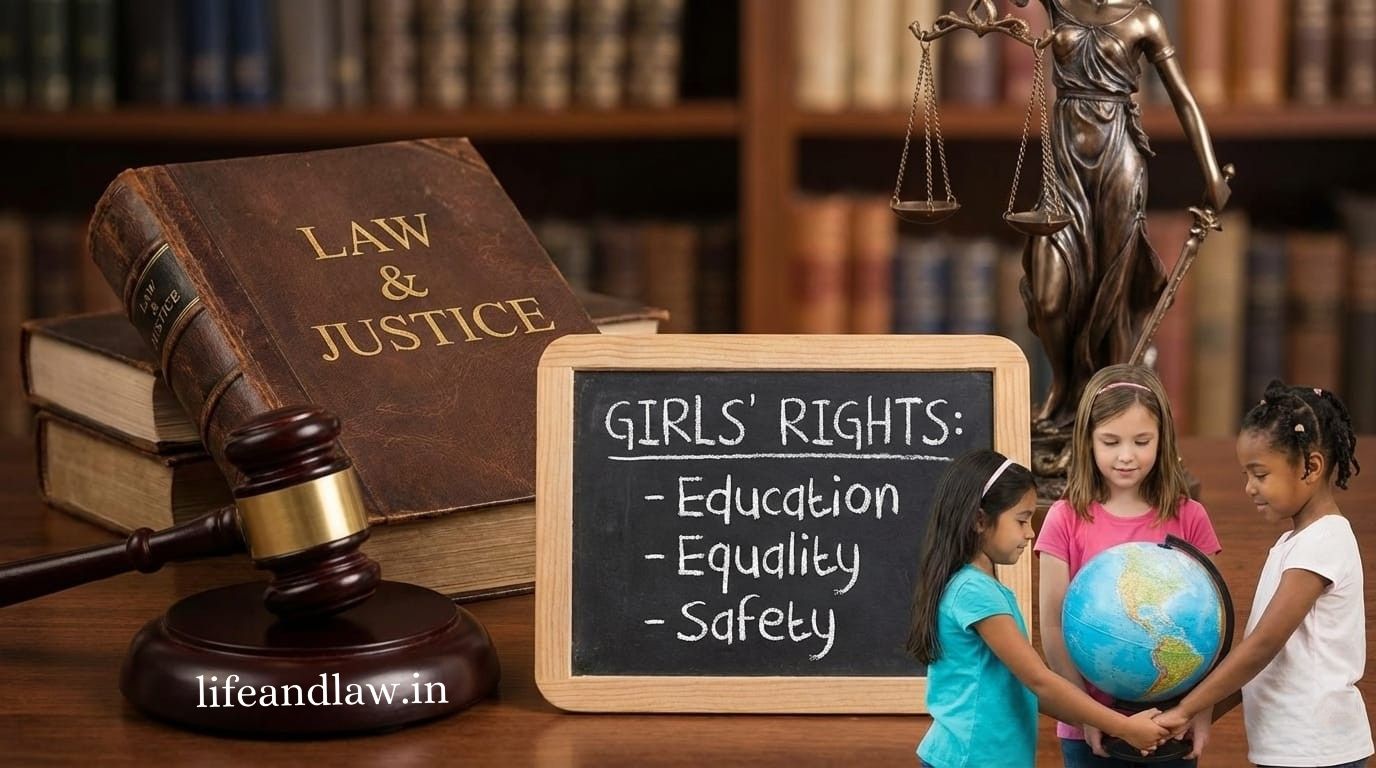
Awareness of girls’ fundamental rights, such as education, healthcare, and safety, is critical. Despite India’s rich history and tradition, females have historically endured prejudice and continue to confront difficulties such as female foeticide, child marriage, a lack of education, and gender inequity. In this situation, protecting and empowering girls has become a vital social obligation. … Read more
National Voters’ Awareness: Your Legal Rights and Duties as a Voter

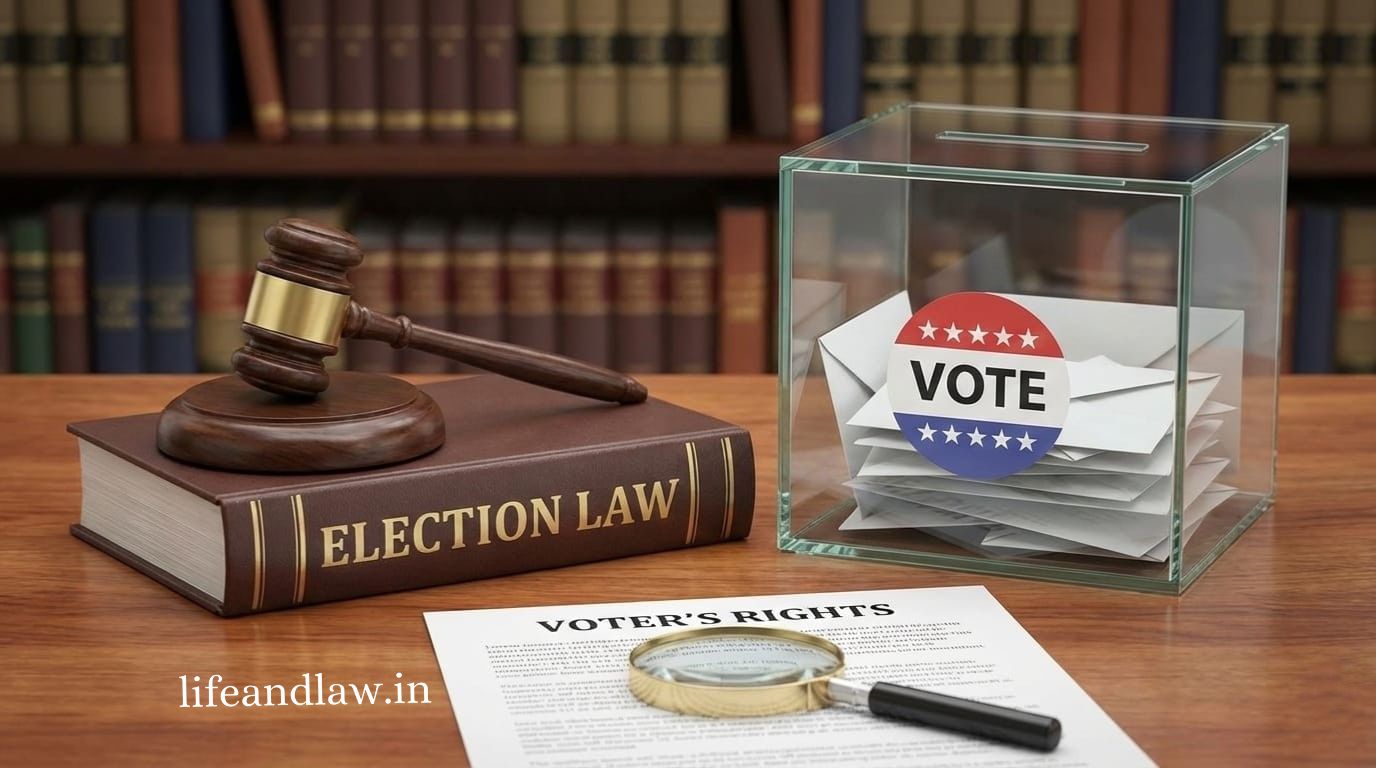
Voting is a fundamental right for all Indian citizens and plays an important role in promoting democracy. National Voters’ Day emphasises the importance of voting rights, the voting process, and citizens’ responsibilities. On this occasion, the Election Commission runs activities to enhance awareness and engage new voters in the political process by issuing them the … Read more

Indian Newspapers and Freedom of Expression: Pillars of Democracy

lifeandlaw 23.12.25

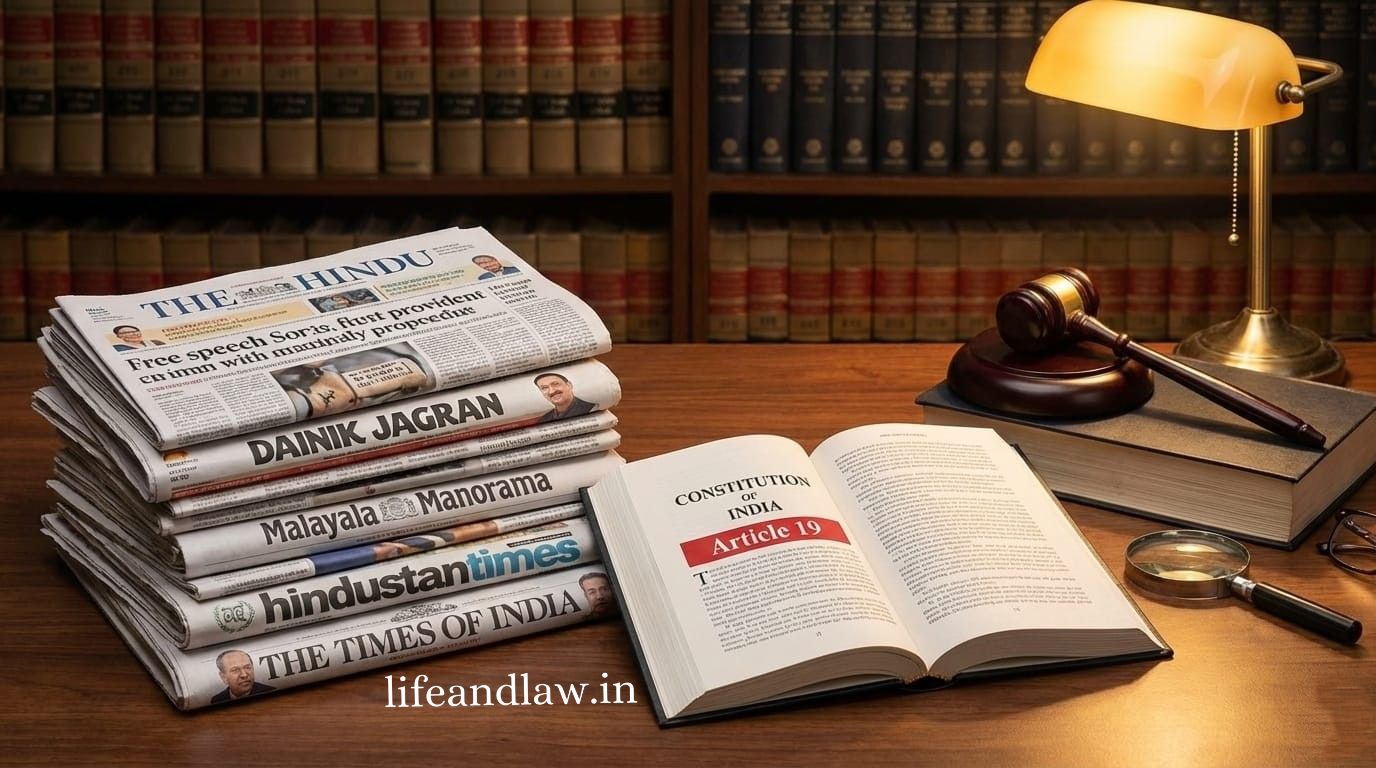
Journalism, widely regarded as the fourth pillar of Indian democracy, is critical to promoting truth, transparency, and public interest. Newspapers, which were once only purveyors of news, have evolved into institutions with enormous societal duty. The Indian Constitution guarantees every citizen freedom of expression under Article 19(1)(a), which also supports media freedom. Preserving this right … Read more

Excise: Tax Regulation and Its Impact

Excise highlights the Excise Department’s vital role in India and to recognise its contribution to government revenue. Tax regulation is critical to sustaining a country’s economic stability. Excise duty, customs duty, and taxes on spirits, tobacco, and other comparable products are used to fund public services, infrastructure development, and social welfare activities. Because excise and … Read more

National Science : The Role of Science, Research, and Legal Safeguards

Science and research are the foundations of national progress, propelling advancements in all sectors of society. In India, National Science Day commemorates Dr. C. V. Raman’s discovery of the Raman Effect. As science progresses, legal understanding is crucial for protecting discoveries and encouraging study. Proper legal promotes innovation and long-term scientific growth. The aim of … Read more

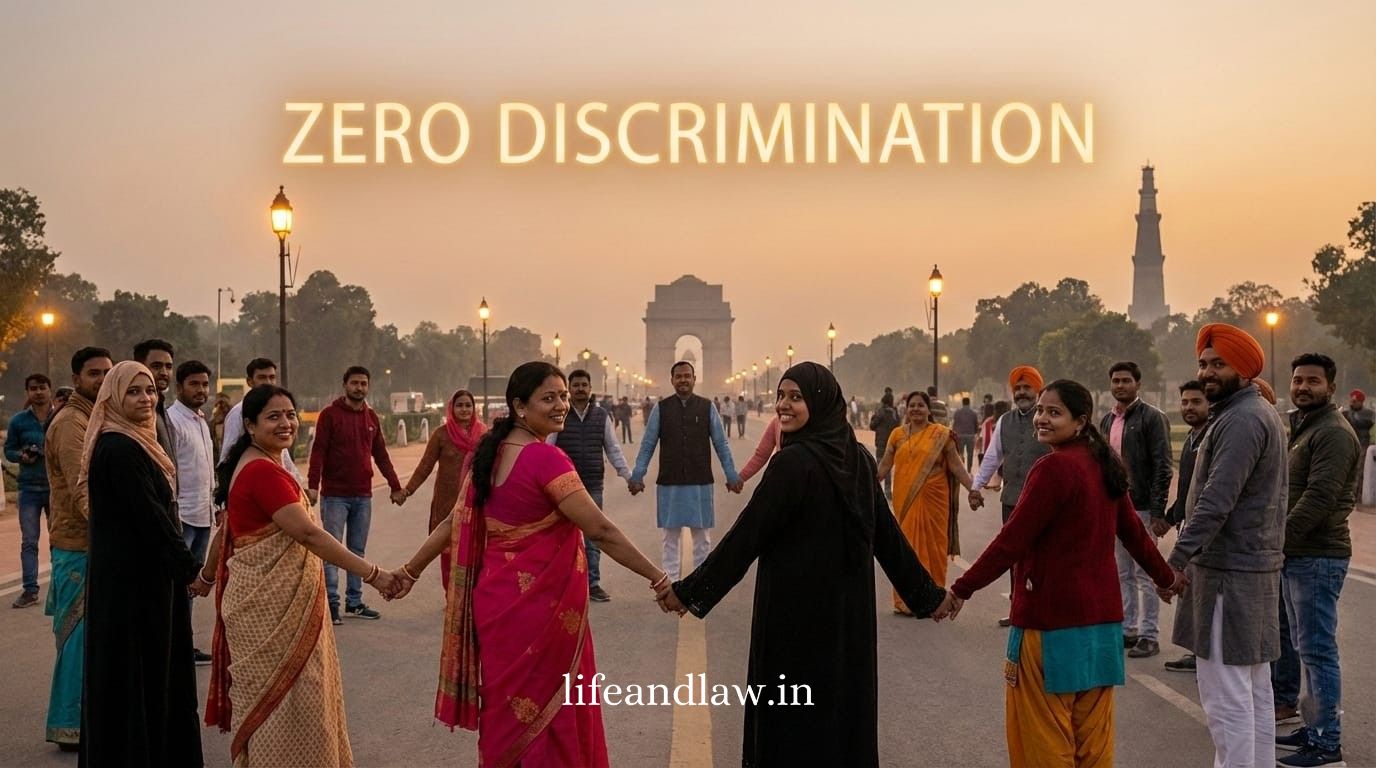
Zero Discrimination and the Law: Advancing Equality in Society

Zero Discrimination emphasises the need of establishing equality and fairness for all members of society. It emphasises the significance of eliminating discrimination based on caste, religion, gender, social or economic status, and disability, and promotes equal rights, opportunities, and a prejudice-free existence for all people. In India, constitutional provisions and other regulations, particularly Articles 14–18 … Read more

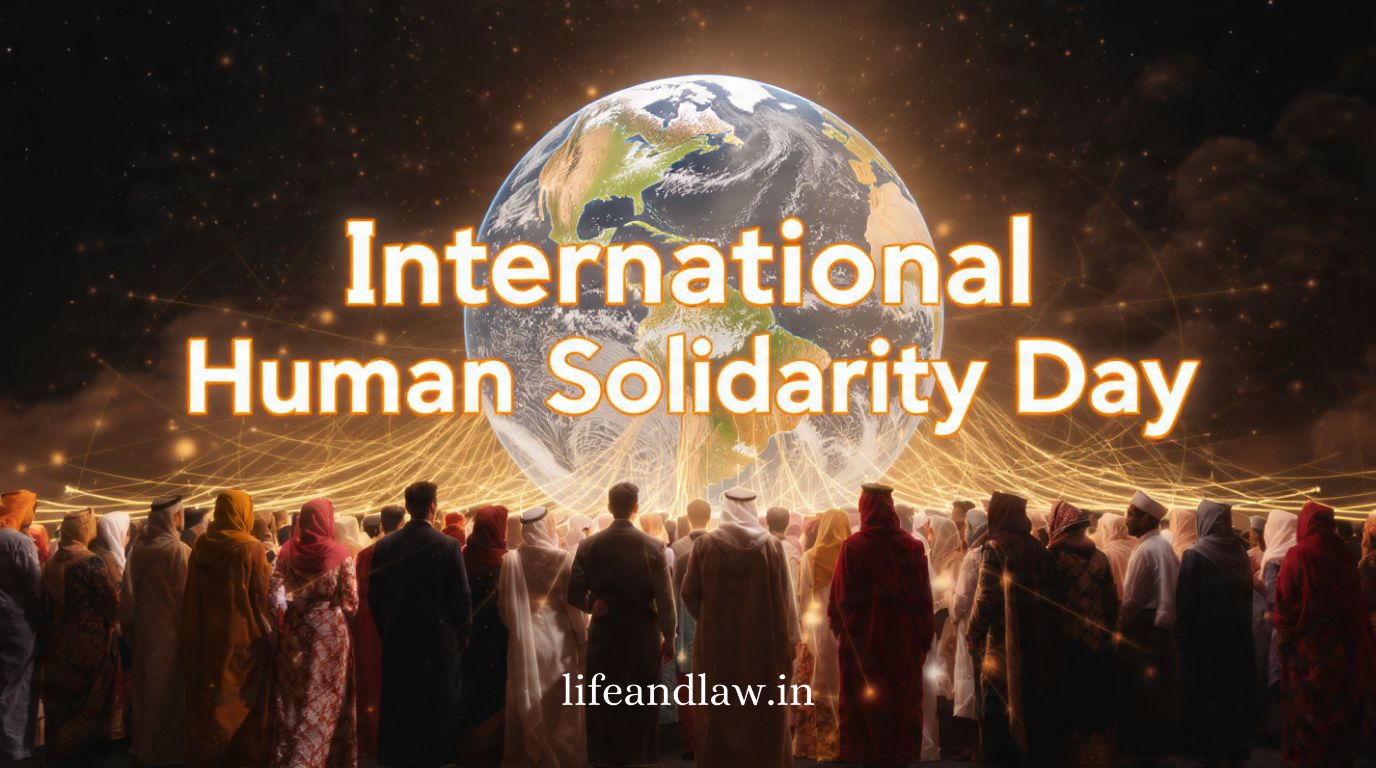
 Human Solidarity: A Legal Right or Moral Duty?

Every December 20th, International Human Solidarity Day emphasises the necessity of working together to help one another. At its essence, human solidarity represents empathy, cooperation, and shared responsibility—the foundation that connects communities and nations, allowing society to address issues together. This article aims to determine if human solidarity is primarily a moral duty, motivated by … Read more

Women’s Empowerment: Women’s Rights in Indian Laws

Women’s empowerment extends beyond equality to making women self-sufficient by making them aware of their rights. The Indian Constitution guarantees women’s equal rights, and various legislation, including the Domestic Violence Prevention Act, Dowry Prohibition Act, Sexual Harassment at Workplace Act, and Hindu Succession Act, seek to protect and empower them. Despite these legal safeguards, many … Read more

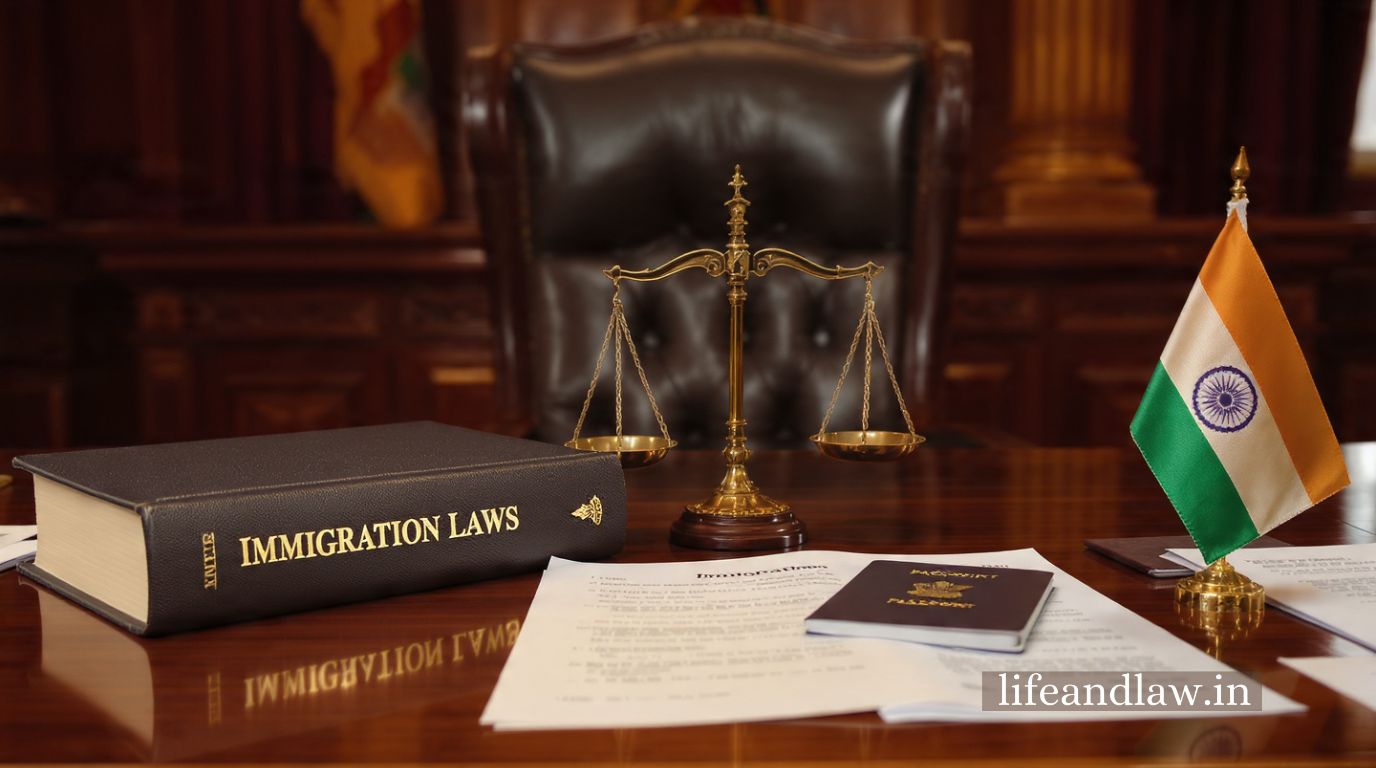
Understanding Migrant Laws: Protecting Rights in a Changing World

International Migrants Day, marked on December 18, reflects the realities of approximately 280 million individuals living outside their home nations. These data represent workers, families, refugees, and students whose lives are influenced by migration rules in the face of violence, climate change, and inequality. Understanding migration laws is critical in today’s interconnected society. The aim … Read more

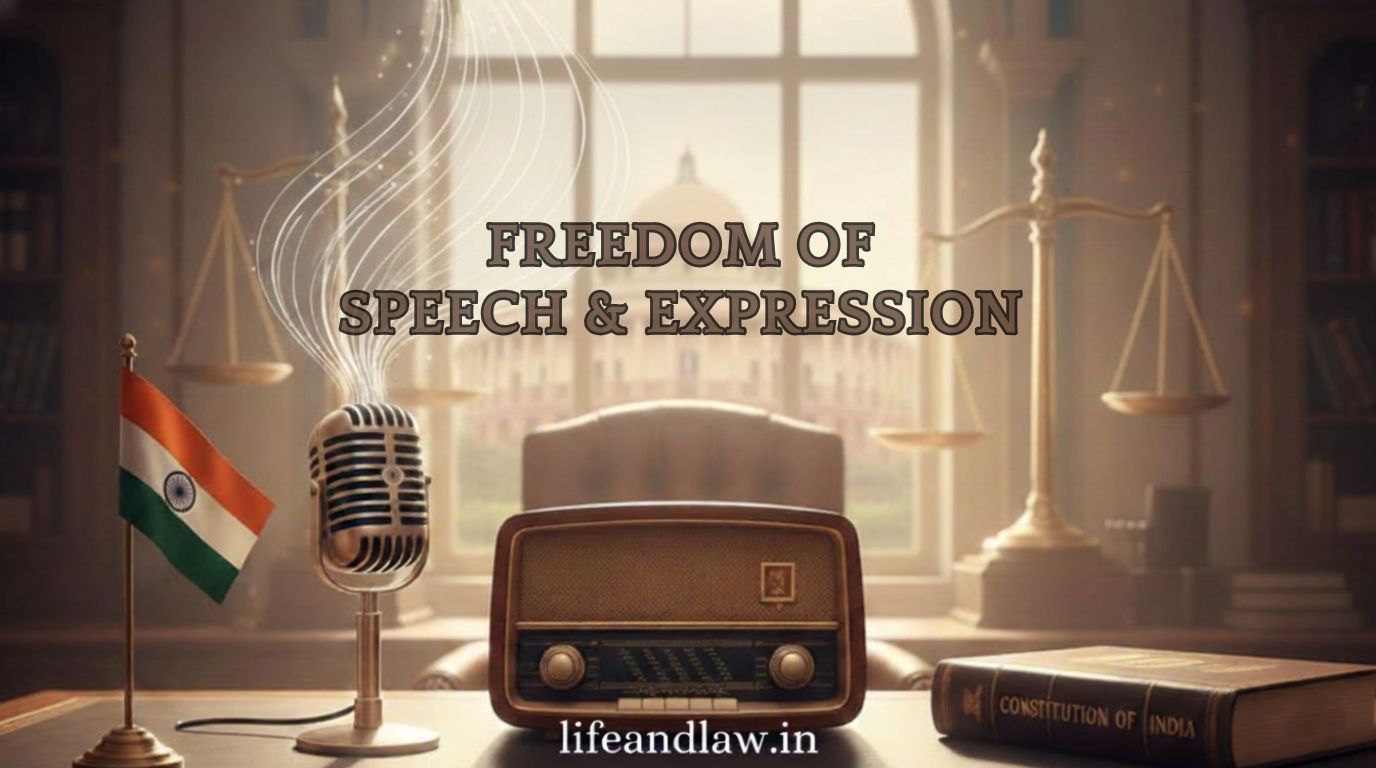
Radio and Law: Freedom and Responsibilities of Broadcasting Media

Radio has been a strong and far-reaching medium, providing information, education, and entertainment to millions around the world. Despite the rise of digital and new media platforms, radio remains very relevant due to its accessibility and effect. To recognise its contribution, UNESCO established World Radio Day on February 13, 2011, to celebrate media freedom, public … Read more