Loading ...

Life & Law

RECENT NEWS

Your Rights, Your Power: Why the Bill of Rights Still Matters

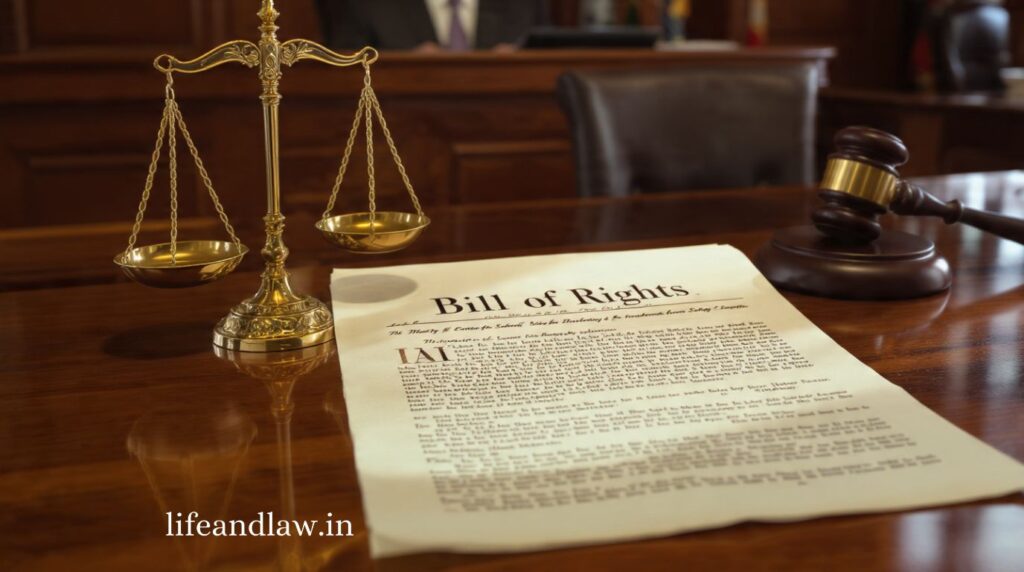
Every year on December 15th, Bill of Rights Day commemorates the legal principles that safeguard individual liberty and dignity. Rights are frequently viewed as abstract concepts, yet in practice, they actively influence daily life by protecting expression, equality, and freedom from arbitrary treatment. The Bill of Rights is a live legal framework that empowers citizens and promotes accountability in a democratic system.

The aim of this article is to raise legal knowledge by explaining the Bill of Rights’ continued relevance and encouraging people to appreciate, value, and responsibly utilise their rights in everyday life.

What Is the Bill of Rights?

The Bill of Rights is a collection of fundamental legal rights given to individuals by law. These rights guarantee that everyone is treated with fairness, dignity, and equality. At its essence, the Bill of Rights serves as a safeguard between the person and the government. It restricts the power of the government and prevents abuse of authority.

Rather than offering privileges, the Bill of Rights recognises fundamental human rights. These rights are applicable to all citizens, regardless of gender, religion, socioeconomic class, or background. The Bill of Rights serves as the foundation of a democratic legal system, protecting human liberty and freedom.

Why the Bill of Rights Was Created

The Bill of Rights was inspired by historical examples of injustice, oppression, and misuse of authority. In the absence of legal restraints, authorities frequently wielded uncontrolled power, resulting in discrimination and denial of fundamental liberties. People realised that without clearly defined rights, liberty would perish.

The Bill of Rights was created to ensure that the law protects rather than regulates individuals. It was created as a legal guarantee that no authority is above justice. By incorporating rights into the legal structure, civilisations hoped to foster fairness, accountability, and faith in governance.

Key Rights That Empower Citizens

One of the most significant characteristics of the Bill of Rights is its capacity to empower people in their daily lives.

Right to Equality and Dignity

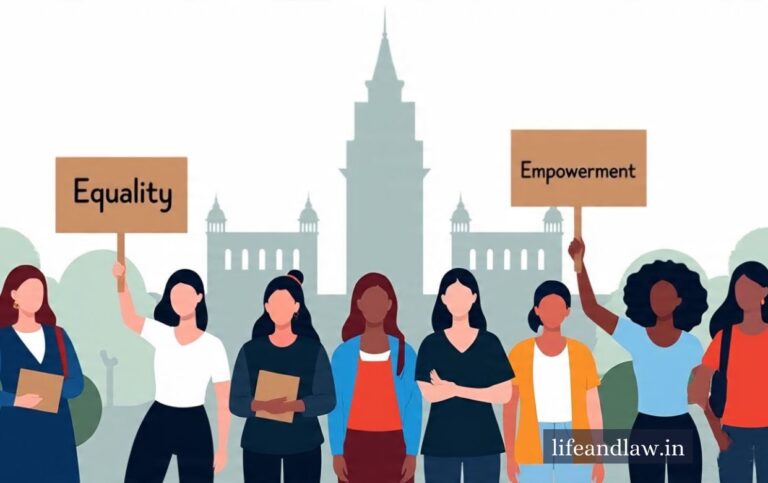
This right assures that everyone is treated equally under the law. It protects people from discrimination and encourages respect for human dignity.  Equality promotes societal cohesion and maintains the notion that justice is applicable to all.

Right to Freedom

Individuals can express themselves freely without fear of repercussions.  These liberties are necessary for democratic participation, public debate, and societal advancement. Without them, society would be mute and stagnate.

Right to Personal Liberty and Fair Trial

Protection from arbitrary arrest and detention ensures that no one is sentenced without due process. The right to a fair trial guarantees legal representation and an impartial decision. These safeguards prevent abuses of power and maintain faith in the legal system.

Right to Privacy and Safety

In an era of digital communication and surveillance, the right to privacy is becoming increasingly crucial. Legal protection against unauthorised intervention ensures personal autonomy and security in both physical and digital spaces.

Why the Bill of Rights Still Matters Today

In today’s quickly changing world, the Bill of Rights is more relevant than ever. Technological improvements, social media, and growing state surveillance have all presented new obstacles to human freedom. The Bill of Rights acts as a legal compass, guiding judges and legislators in addressing these issues.

Whether it is defending free expression, assuring access to justice, or securing personal data, rights are still critical in maintaining a balance of authority and liberty. Courts use these fundamental rights to interpret laws and administer justice. The Bill of Rights remains an effective tool for defending persons in modern society.

Role of Citizens in Protecting Their Rights

Rights are only important if people are aware of them. Legal knowledge enables people to recognise injustice and seek legal redress. Citizens have an important role in safeguarding the strength of the Bill of Rights by utilising their rights responsibly.

Education, peaceful campaigning, and respect for the rule of law are critical for protecting rights. At the same time, people must respect the rights of others. Rights entail duties, and their full force comes in community respect and understanding.

Conclusion

The Bill of Rights enshrines the fundamental ideals of liberty, justice, and human dignity. Bill of Rights Day reminds us that rights are only meaningful when people understand and actively defend them against injustice.

This insight is offered by Adv. Abdul Mulla, who writes on legal awareness for platforms such as  www.asmlegalservices.in and www.lifeandlaw.in, with the aim of fostering informed and responsible interaction with the legal system.

RECENT POSTS

CATEGORIES

Leave a Reply

Your email address will not be published. Required fields are marked *

Life And Law Blogs

Life & law provides valuable insights by simplifying complex legal concepts and connecting them to real-life experiences …read more

Why I write

At Life & law, my mission is simple. to make the law accessible and empower people with knowledge to confidently face life’s challenges …read more

Copyright BlazeThemes. 2025