Trending
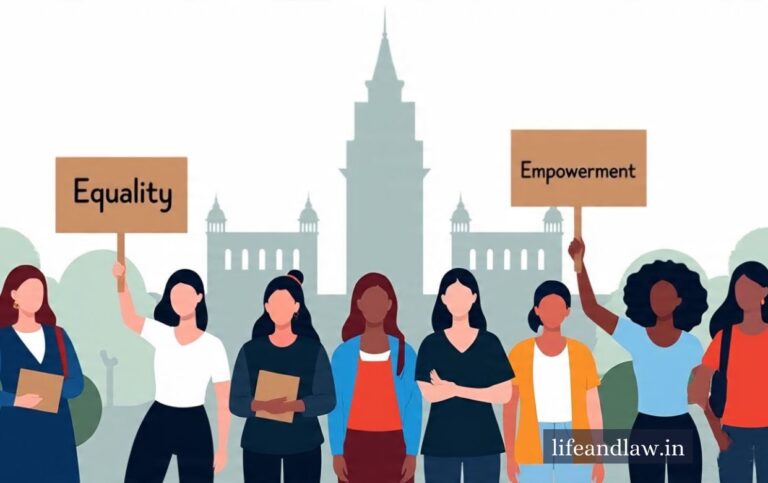
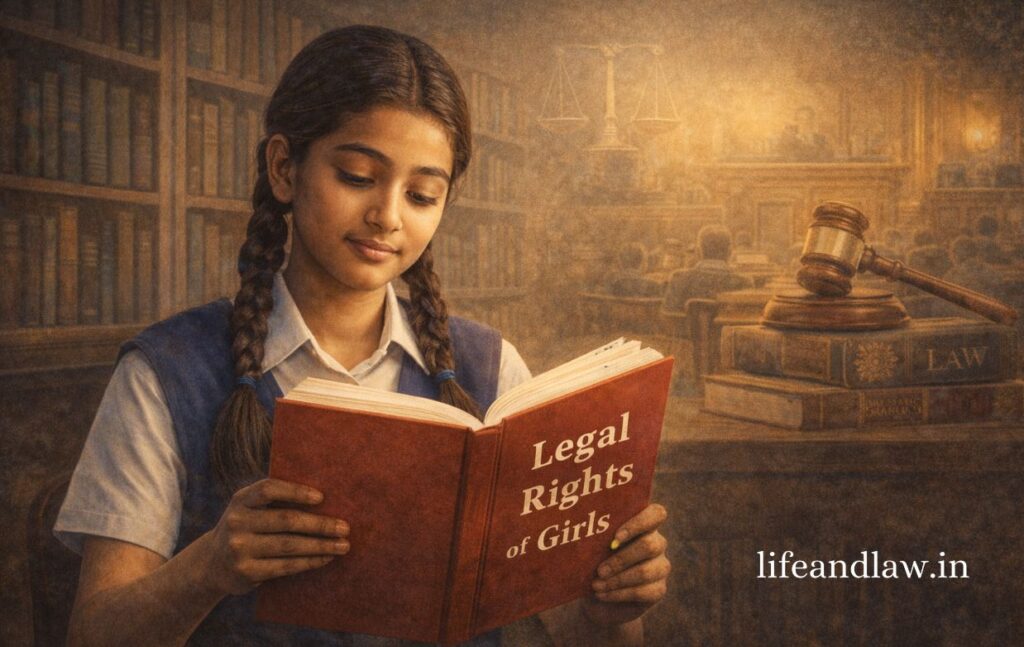
Every year on January 24, India celebrates National Girl Child Day to promote the importance of gender equality, education, health, and safety for girls. Despite constitutional safeguards and progressive laws, girls in India endure significant discrimination in education, healthcare, inheritance, and personal autonomy. True empowerment for girls is more than just social or emotional; it is also deeply legal.
The law serves as a significant tool for protection and empowerment. Awareness of legal rights empowers girls and their families to reject prejudice, seek justice, and claim their dignity. This article aims to highlight the important legal rights granted to every girl child in India, laying the groundwork for equality, confidence, and independence.
The Indian Constitution establishes a robust legal framework for the protection and empowerment of girls.
Article 14 provides equality before the law and equal protection of laws, guaranteeing that girls are treated equally with males in all legal proceedings. Whether in school, work, or access to justice, the law prohibits discrimination.
Article 15(1) expressly forbids discrimination based on sex. At the same time, Article 15(3) enables the state to make particular arrangements for women and girls, establishing the constitutional foundation for protective legislation and welfare programs.
Furthermore, courts have interpreted Article 21, which provides the right to life and personal liberty, to encompass the right to live with dignity, privacy, health, and education—rights critical to a female child’s holistic development.
Education is one of the most powerful tools for empowerment.
According to Article 21A of the Constitution and the Right of Children to Free and Compulsory Education Act of 2009, every child aged 6 to 14 has the right to free and compulsory education. This law requires the state to ensure that girls are not denied an education because of poverty, societal customs, or gender bias.
The Act also forbids discrimination, physical punishment, and mental harassment in schools. By legalising education, the law addresses one of the core causes of gender inequality: a lack of access to learning and skill development.
Education provides girls with awareness, self-sufficiency, and the opportunity to engage equally in social and economic activities.
Child marriage remains one of the most serious abuses of a girl child’s rights.
The Prohibition of Child Marriage Act of 2006 establishes the minimum legal marriage age for girls as 18 years. Any marriage performed before this age is voidable at the discretion of the girl, and in certain aggravating conditions, it is declared void.
The legislation penalises those who encourage, perform, or assist child weddings, including parents, guardians, and priests. Importantly, the Act ensures the girl’s right to maintenance, home, and safety even after annulment.
This legislation acknowledges that child marriage deprives girls of education, health, autonomy, and dignity, and it attempts to protect them from lifetime exploitation.
The law establishes strong safeguards against violence and abuse.
The Protection of Children from Sexual Offences (POCSO) Act of 2012 is a comprehensive law that protects children under the age of 18 from sexual assault, harassment, and exploitation, including online abuse. The Act requires child-friendly investigations and expedited trials, ensuring that girl children are treated with compassion and dignity.
Article 23 of the Constitution forbids trafficking and forced labour, while criminal laws punish trafficking, kidnapping, and exploitation of minors. These regulations seek to prevent girls from being regarded as commodities.
Together, these statutes demonstrate that violence against a girl child is a serious legal violation that requires strict punishment.
A girl kid is legally entitled to health, nutrition, and bodily integrity.
Article 21 defines the right to health as access to medical treatment, nutrition, sanitation, and a safe environment. Courts have repeatedly recognised that dignity and bodily autonomy are key components of the right to life.
The law also protects girls from dangerous practices while emphasising informed consent and age-appropriate precautions. Privacy, personal choice, and respect for bodily integrity are regarded as essential rights, including for minors, within the legal restrictions.
Economic empowerment starts with ownership and financial security.
Daughters and sons have equal rights to ancestral and self-acquired property under the Hindu Succession Act of 1956, as revised in 2005. This represented a significant shift in treating females as equal stakeholders in family property.
Furthermore, rules cover upkeep, educational expenses, and protection from economic neglect. Property and inheritance rights help a girl achieve bargaining power, independence, and long-term security.
While laws are robust, their effectiveness is dependent on public understanding and enforcement. Parents, educators, and communities must ensure that girls are aware of their rights and encouraged to exercise them.
Legal literacy converts laws from written words to experienced reality. Empowerment is not charity; rather, it is the recognition of legally protected rights.
On National Girl Child Day, it is crucial to remember that every girl in India has constitutional rights, including equality, education, dignity, safety, and property. Understanding her legal rights enables her to make educated decisions and confidently define her destiny.
This reflection is consistent with Adv. Abdul Mulla‘s broader aim of legal awareness publications, which analyse constitutional ideals and social justice issues through his legal platforms, www.lifeandlaw.in and www.asmlegalservices.in, in an educational and non-promotional manner.
Adv. Abdul Mulla (Mob. No. 937 007 2022) is a seasoned legal professional with over 18 years of experience in advocacy, specializing in diverse areas of law, including Real Estate and Property Law, Matrimonial and Divorce Matters, Litigation and Dispute Resolution, and Will and Succession Planning. read more….
Copyright BlazeThemes. 2025