Trending
National Personal Space Day, marked on November 30th, serves as a gentle reminder that everyone deserves respect, autonomy, and both physical and mental comfort. Maintaining strong personal boundaries has never been more crucial in today’s increasingly crowded environment, both physically and online. Personal space is more than just distance; it represents dignity, safety, and individual rights. Many people underestimate the fact that personal space has a legal dimension. Several laws and regulations exist to protect persons from unwelcome intrusions, whether physical, verbal, or digital.
This article examines the relationship between consent, comfort, and legal rights, providing a thorough understanding of why National Personal Space Day 2025 is more important than ever.
Personal space refers to the physical, emotional, and digital boundaries that people require to feel safe and respected. Psychologists emphasise that these boundaries differ depending on culture, relationships, and settings. For example, a close friend may be invited “into your space,” whereas a stranger approaching too closely can be uncomfortable. Although these borders are socially constructed, they connect with legal rights designed to protect persons who transgress them.
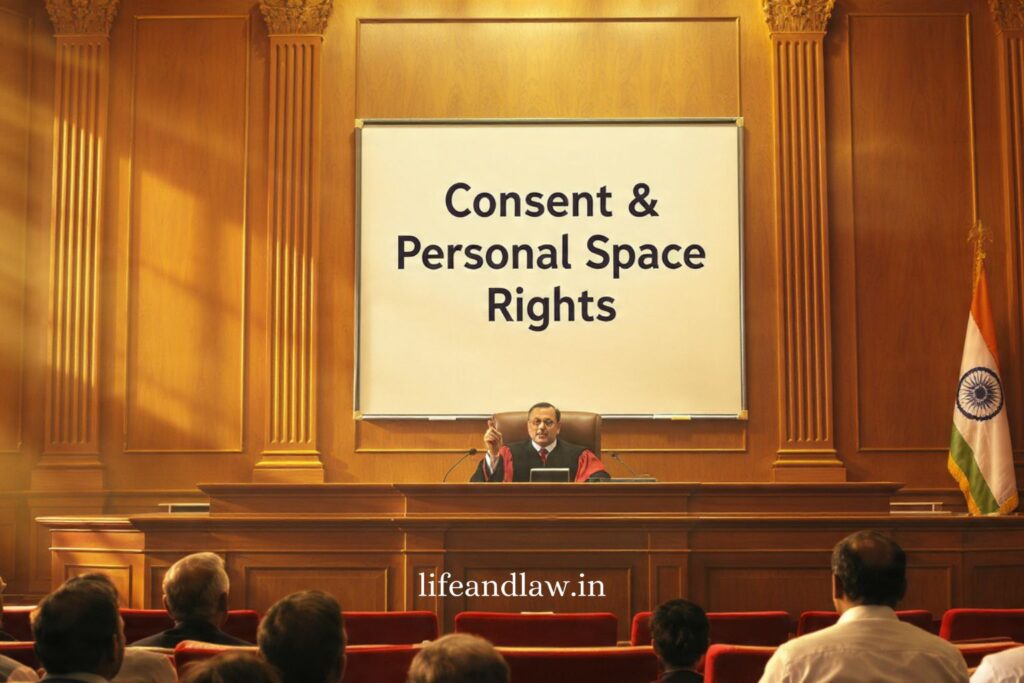
Consent is at the heart of personal space—the unambiguous, voluntary agreement to engage in any sort of interaction, be it physical touch, conversation, or digital involvement. Everyday instances include asking before hugging someone, obtaining permission before borrowing personal goods, and determining whether someone is comfortable with a specific conversation.
Ignoring consent is not only disrespectful; it can escalate into behaviours that are legally recognised as harassment, assault, or intimidation. Consent laws exist to defend individual autonomy and ensure that no one is coerced into situations that jeopardise their comfort or safety.
Personal safety and autonomy are highly valued in legal systems around the world. While specific regulations differ by region, certain universal legal concepts safeguard personal boundaries.
1. Laws governing physical harassment and assault
Unwanted physical contact is more than just a violation of comfort; it may also be considered assault or harassment under the law. Even seemingly “harmless” activities, such as touching someone without permission, might be deemed illegal if they induce discomfort or anxiety. These principles serve as a potent reminder to always respect physical boundaries.
2.Laws governing workplace boundaries
Workplaces are legally mandated to maintain conditions free of harassment and coercion. Many employment laws and HR policies prohibit unwanted physical contact, stalking, inappropriate comments, and intimidation in the workplace. Employers must take complaints seriously and establish preventive measures such as training sessions and clear reporting lines.
3.Public Space Protection
Public areas are not devoid of boundary infractions. There are laws in place to protect people from stalking, following, or frightening behaviour in parks, marketplaces, transit systems, and other public places. These safeguards acknowledge that everyone has the right to move freely, without fear or discomfort.
4.Digital/Online Personal Space
In today’s interconnected society, borders go beyond physical geography. Many jurisdictions consider digital harassment to be illegal, including sending unsolicited messages, cyberstalking, revealing private information, and frequently contacting someone online. These safeguards ensure that respect for personal space is maintained even behind displays.
Legal awareness empowers people to enforce their boundaries and recognise when they are being infringed. Understanding one’s rights lowers the likelihood of exploitation, harassment, or compulsion. On a broader level, legal awareness promotes society to practise respectful behaviour, resulting in safer communities and workplaces. National Personal Space Day is an excellent opportunity to consider how laws promote personal dignity and why maintaining limits is a shared duty.
Everyone can take little but significant actions to respect the limits of others:
• Ask before making physical contact, such as hugs and handshakes.
• Maintain a comfortable distance in public settings like lineups and lifts.
• Refrain from asking intrusive enquiries or making comments that may violate emotional boundaries.
• Respect personal belongings, digital privacy, and social media limits.
• Speak clearly and listen when others indicate discomfort.
These basic habits assist to foster an environment in which everyone feels seen, safe, and appreciated.
Organisations, schools, and communities can all play an important role in increasing personal space awareness. Awareness campaigns, signs on boundary respect, HR-led training sessions, and school workshops can all spark conversations about empathy and legal understanding. When groups prioritise personal space education, they create cultures in which civility and consent are the norm.
Personal space is more than just a social concept; it represents emotional well-being, dignity, and legal protection. National Personal Space Day 2025 emphasises the value of consent and respect in both physical and digital environments.
This reminder is consistent with the perspective of Adv. Abdul Mulla, who publishes on legal awareness for platforms such as www.asmlegalservices.in and www.lifeandlaw.in, trying to help readers understand their rights and boundaries without endorsing any professional service.
Adv. Abdul Mulla (Mob. No. 937 007 2022) is a seasoned legal professional with over 18 years of experience in advocacy, specializing in diverse areas of law, including Real Estate and Property Law, Matrimonial and Divorce Matters, Litigation and Dispute Resolution, and Will and Succession Planning. read more….
Copyright BlazeThemes. 2025