Loading ...

Life & Law

RECENT NEWS

Legal Literacy and Book Giving: How Sharing Books Can Empower Communities

In today’s rapidly changing world, access to knowledge is critical for personal and community development. Despite technology advancements, many people still don’t grasp their legal rights and duties. Legal literacy bridges this gap by providing people with the knowledge they need to manage the law, while book giving is an effective technique for raising awareness and fostering legal understanding.

This article will look at how combining legal literacy with book sharing can help people become more empowered, promote social justice, and enhance their communities. We help to create a more informed and just society by giving tools for dealing with legal difficulties.

Understanding Legal Literacy: A Foundation for Empowerment

Legal literacy is defined as the ability to understand fundamental legal principles, rights, and duties, as well as the procedures that allow people to seek justice. The law influences many elements of life, including job, health, education, and family rights; however, many individuals are unaware of their legal rights, leaving them vulnerable to injustice.

The Significance of Legal Literacy: Individuals who lack legal knowledge may find it difficult to get employment rights, manage marital problems, or access social welfare programs. Legal literacy enables individuals to make educated decisions and negotiate legal difficulties effectively.

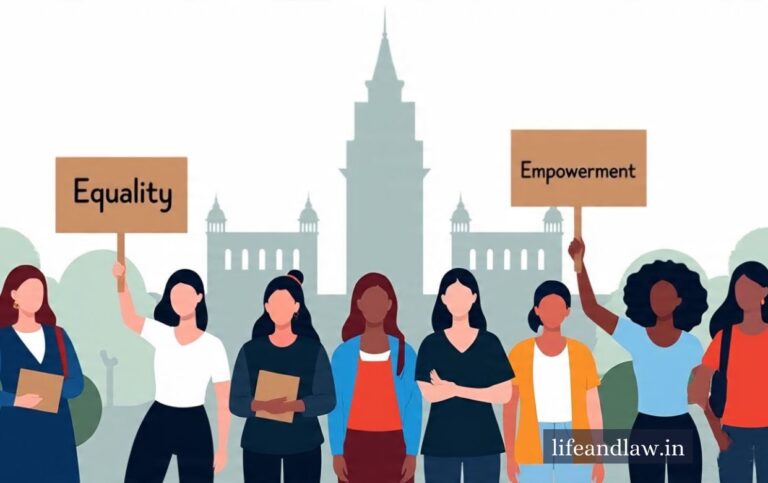
Legal Empowerment: Legal knowledge is essential for uplifting marginalised populations. People who understand their rights are better prepared to advocate for themselves, fight injustices, and seek justice in both personal and professional settings. Legal literacy initiatives, whether in schools or online, help to demystify complicated legal concepts so that they are accessible to everyone.

The Role of Book Giving in Promoting Legal Literacy

Book giving, or the practice of donating and distributing reading materials within communities, is an important factor in improving legal literacy. Books, whether textbooks, pamphlets, manuals, or even fiction addressing legal topics, are useful tools for education and empowerment, assisting citizens in better understanding their legal rights and obligations.

Access to Information: Many underserved communities may not have proper access to legal information due to the restricted resources and financing available to libraries and community organisations. Book-giving projects assist to close this gap by distributing vital legal books and materials on themes including civil liberties, legal rights, and financial literacy.

Self-Help Resources: Books can be useful self-help resources for people who cannot afford legal representation. They provide practical information on topics such as tenant rights, family law, employment conflicts, and legal document preparation, allowing consumers to address typical legal concerns on their own.

Cultural Relevance and Understanding: Legal literacy improves when literature represents the cultural and social circumstances of certain communities. Publications about women’s rights, LGBTQ+ problems, and immigration law make legal knowledge more accessible and meaningful.

Book Giving and Community Building

Book donations provide more than just legal information; they foster a sense of community and solidarity. Sharing resources not only broadens collective understanding, but also fosters a culture of mutual support and cooperation.

Building trust and solidarity: Many marginalised communities harbour significant distrust of institutions, particularly the legal system. Distributing books that explain legal issues helps to rebuild trust. When people understand their rights and have the resources to take action, they feel more empowered to seek justice, reducing fear and encouraging fairness.

How to Strengthen Your Social Networks: Community book drives and legal education campaigns provide opportunities to build social connections. These gatherings enable people to join in debates, get advice, and learn about available community resources, resulting in a more informed and supportive network.

A forum for legal advocacy: Books also serve as a foundation for activism. Legal literacy initiatives can increase community involvement through volunteering, policy discussions, and partnership with local legal organisations, resulting in a more equitable society.

Practical Examples of Legal Literacy and Book Giving Initiatives

Several global programs emphasise the value of book sharing and legal literacy.

Public Libraries and Legal Resource Centres: Several public libraries provide free legal clinics and self-help materials. 

Book Drives by Non-Governmental Organisations: NGOs, such as Book Aid International, collect and distribute books, especially legal literature, to enhance legal literacy in underprivileged communities.

School-Based Legal Literacy Programs: Some schools incorporate legal literacy into the curriculum, utilising textbooks and pamphlets to teach pupils about their legal rights and obligations, laying a solid foundation for future legal understanding.

Challenges and Opportunities

While book-giving and legal literacy programs provide tremendous benefits, there are also problems. Geographic isolation, language difficulties, and digital divisions can all impede access to these services. Another challenge is keeping books up to date with the latest laws. However, the opportunities are plentiful. Digital platforms, online libraries, and mobile apps facilitate the distribution of legal resources. Expanding book drives to include digital forms and translations, as well as collaboration among lawyers, activists, and educators, can help legal literacy programs reach a broader audience.

Conclusion

Legal literacy and book distribution have the potential to build communities by educating citizens about their rights and obligations. Access to legal information empowers people to face difficulties boldly, enhances quality of life, and promotes social justice through informed involvement and collective awareness.

This article was written by Adv. Abdul Mulla, who often publishes about legal awareness and public education on platforms like www.lifeandlaw.in and www.asmlegalservices.in, with a focus on encouraging understanding of the law as a tool for community empowerment.

RECENT POSTS

CATEGORIES

Leave a Reply

Your email address will not be published. Required fields are marked *

Life And Law Blogs

Life & law provides valuable insights by simplifying complex legal concepts and connecting them to real-life experiences …read more

Why I write

At Life & law, my mission is simple. to make the law accessible and empower people with knowledge to confidently face life’s challenges …read more

Copyright BlazeThemes. 2025