Trending
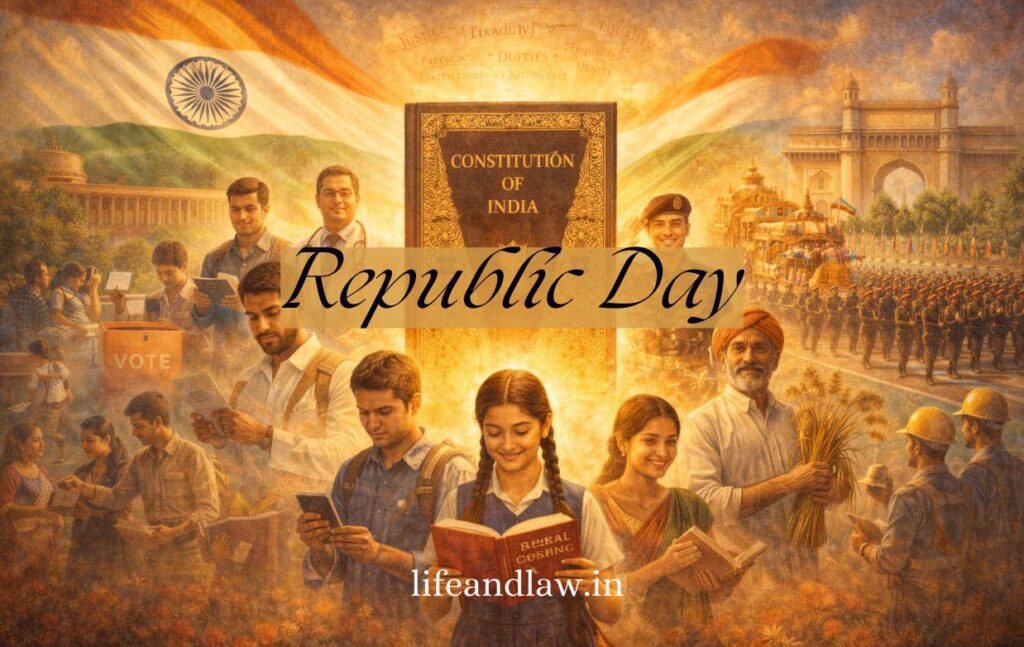
Republic Day is commonly viewed as a national holiday highlighted by parades and celebrations, but its true importance is much deeper. Republic Day, celebrated on January 26th, marks the day when India’s Constitution went into effect in 1950, establishing the country into an independent, democratic republic. More than just a ceremonial celebration, Republic Day empowers every Indian citizen by ensuring rights, defining duties, and increasing democratic involvement. It serves as a reminder that an informed, aware, and empowered population is the foundation of a strong nation.
This day encourages all Indians to consider how the Constitution defines civic, political, social, and economic empowerment, allowing citizens to live not just freely, but also with dignity and responsibility.
Republic Day commemorates India’s transition from colonial authority to self-government under constitutional democracy. It affirms that power belongs to the people and that every citizen has the right to express themselves, participate in governance, and live without fear. The Constitution protects civil liberties while also imposing appropriate restrictions to promote public order and peace.
On Republic Day, India’s diversity and solidarity are most evident. Citizens from many languages, cultures, faiths, and regions unite around national symbols such as the National Flag, National Anthem, and the Constitution itself. Republic Day fosters the notion that, despite their differences, Indians are united by common constitutional principles.
Republic Day serves as a reminder of the supremacy of the Constitution, which establishes citizens’ rights and duties. It promotes constitutional morality, institutional respect, and civic responsibility—all of which are necessary for a healthy democracy.
The Constitution guarantees Fundamental Rights, which include personal liberty, dignity, and equality. These rights are the foundation of citizen empowerment and provide protection from arbitrary state action.
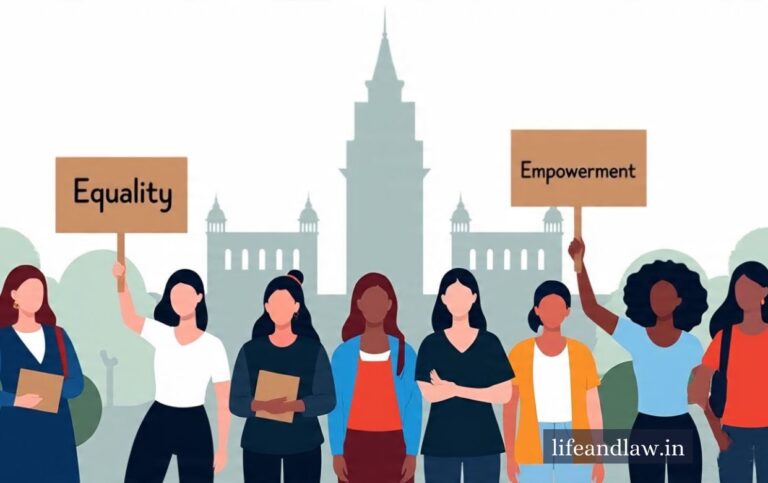
The Right to Equality guarantees equality before the law and equal protection under the law. It outlaws discrimination on the basis of religion, race, caste, gender, or place of birth, fostering social justice and fairness in public life.
The Right to Freedom encompasses freedom of speech and expression, freedom of religion, and the ability to practise any profession. These freedoms promote intellectual progress, artistic expression, and economic engagement, all of which are necessary for national development.
Access to justice is fundamental to civil empowerment. Judicial independence, legal aid, and procedures like Public Interest Litigation (PIL) ensure that even the most vulnerable members of society can seek justice and enforce their rights.
Universal adult suffrage allows all citizens over the age of 18 to vote. This right empowers citizens to directly participate in governance and hold elected officials accountable.
The Constitution permits residents to run for office at several levels, including municipal councils, state legislatures, and parliament, subject to certain qualifying requirements. This ensures that everyone can participate in political leadership.
Political empowerment goes beyond elections. Citizens help to promote openness and democratic accountability by participating in public consultations, providing input on policies, conducting social audits, and engaging in civic activities.
The Right to Education ensures free and compulsory education for children aged six to fourteen. Education empowers individuals, reduces inequality, and equips citizens to fully engage in democracy.
The Constitution guarantees freedom of conscience and religion, allowing individuals to practise, profess, and promote their beliefs. It also safeguards India’s cultural and linguistic diversity, fostering harmony in a varied society.
Republic Day reaffirms the constitution’s commitment to gender equality. Legal restrictions that promote equal opportunity and prevent discrimination have expanded women’s participation in school, employment, and government.
The Constitution assures equal opportunity in public employment. Government efforts, skill development programs, and entrepreneurship schemes all strive to promote economic self-sufficiency and minimise unemployment.
Elections, public hearings, digital platforms, and policy discussions all provide opportunities for citizens to influence economic governance. Public participation improves economic planning and promotes inclusive growth.
Although no longer a basic right, the Right to Property is nonetheless a constitutional and legal right. Land acquisition laws assure fair remuneration, whereas intellectual and digital property safeguards promote economic security in today’s market.
Republic Day serves as both a historical reminder and a reaffirmation of India’s constitutional values. It empowers citizens in civil, political, social, and economic arenas, reminding us that constitutional liberties are inextricably linked to responsibilities, discipline, and respect for the rule of law.
These comments are part of Adv. Abdul Mulla‘s broader engagement with constitutional ideals, as he writes about law, rights, and civic responsibility for his legal platforms www.lifeandlaw.in and www.asmlegalservices.in in an instructive and intellectual style.
Adv. Abdul Mulla (Mob. No. 937 007 2022) is a seasoned legal professional with over 18 years of experience in advocacy, specializing in diverse areas of law, including Real Estate and Property Law, Matrimonial and Divorce Matters, Litigation and Dispute Resolution, and Will and Succession Planning. read more….
Copyright BlazeThemes. 2025