Loading ...

Life & Law

RECENT NEWS

Safe Motherhood in India: Legal Rights and Protection for Mothers

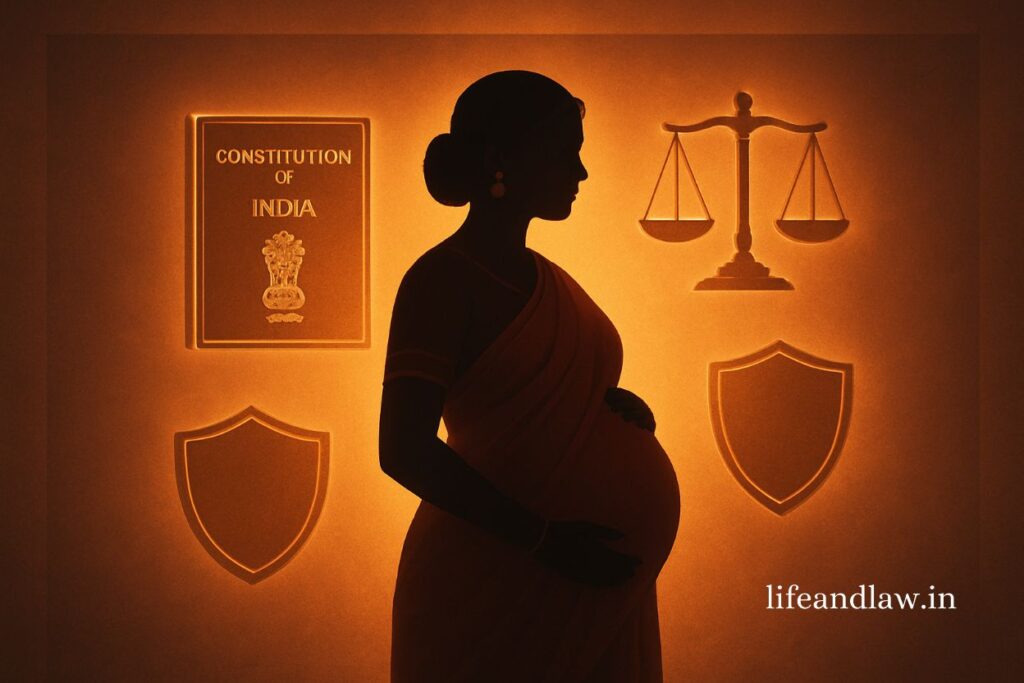
Safe motherhood emphasises the significance of promoting the health, safety, and well-being of mothers in India. Motherhood is an important stage in a woman’s life, yet many still experience issues with healthy pregnancy, childbirth, and after care. To address these concerns, the Indian government has enacted a number of regulations and protections for women during pregnancy and early parenting.

These include access to medical facilities, health rights, maternity leave, workplace safety, and initiatives that promote mother and child health. The aim of this article is to educate women on the important legal rights and protections that promote a safe, dignified, and empowered motherhood experience.

History and Aim of National Safe Motherhood Day

Every year India celebrates ‘National Safe Motherhood Day’. The Government of India announced this day in 2003, and it is celebrated on Kasturba Gandhi’s birth anniversary. Kasturba Gandhi, Mahatma Gandhi’s wife, had made enormous contributions to women’s health, education, and rights. This day was designated as a memorial to her memory. India is the only country in the world to have designated a specific day for the protection of mothers.

The major goal of honouring this day is to raise awareness so that women have a safe pregnancy and delivery. Many women continue to be denied their health-care rights. The aim is to provide women with knowledge on good health services, nutrition, health check-ups, as well as laws and government plans for safe delivery. The true message of this day is to let every woman understand that safe motherhood is not just a personal matter, but also a social and legal entitlement.

Every year, the White Ribbon Alliance (WRAI) selects a subject to raise awareness about health services and facilities for pregnant and breastfeeding women. The aim of these projects is to raise awareness about the importance of providing every woman with safe and proper healthcare during pregnancy and childbirth.

Important Laws Related to Motherhood and Child Care in India

Maternity Benefit Act, 1961
This law mostly affects female employees in private and government offices. This statute provides pregnant women with protection and financial aid during their pregnancy and delivery. This provides women with paid maternity leave. Furthermore, accommodations for nursing breaks, aid with pre- and post-delivery medical expenses, and protection against termination of employment are recognised as rights of female employees.

Employees’ State Insurance Act, 1948
This law provides financial help and free healthcare to insured women workers during their pregnancy and childbirth. This law includes provisions for health screenings, medical treatment, delivery fees, and payment comparable to wages during the period of rest. As a result, this law provides significant benefits to working women.

Medical Termination of Pregnancy Act, 1971
This law grants women the right to safe and legal abortions. Abortion can be performed on the recommendation of a doctor in certain circumstances, such as when the pregnant woman’s health is jeopardised, when the pregnancy is the result of rape or an unplanned conception, or when the foetus is handicapped or non-functional. This law is critical for women’s health and freedom.

Pre-Conception and Pre-Natal Diagnostic Techniques Act, 1994 (PCPNDT Act)
The aim of this law is to prohibit sex determination and avoid female foeticide. This law was enacted to prevent an imbalance in the male-female ratio in India. Sex determination tests cannot be performed by doctors, hospitals, or diagnostic centres, and infractions result in severe penalties and fines.

Infant Milk Substitutes Act, 1992
This rule prohibits the promotion of false advertisements about infant feeding and the use of artificial milk instead of mother’s milk. The aim of this law is to promote the value of mother’s milk, protect infants’ health, and provide appropriate guidance.

Child Care Leave Rules
This provision is offered to both male and female Government of India employees. According to these guidelines, the mother or father may take a set number of days as Child Care Leave to care for their children up to the age of 18. This leave allows children to receive sufficient care for health concerns, education, or emergencies.

Child Protection Laws
There are several laws in India that safeguard children’s rights. These include the Juvenile Justice Act of 2015, the Child Labour Prevention Act, and the Protection of Children from Sexual Offences Act (POCSO Act, 2012). These laws protect the health, education, safety, and development of children.
Conclusion

Safe Motherhood emphasises the importance of safe pregnancy and childbirth for women. Various laws and policies enacted by the Government of India provide critical financial, medical, and legal assistance during maternity.

Every woman should be aware of her rights, as safe motherhood is a legal entitlement. This article, published by Adv. Abdul Mulla, draws on ideas from his legal work shared with www.asmlegalservices.in and www.lifeandlaw.in to promote greater societal awareness of women’s health and safety.

RECENT POSTS

CATEGORIES

Leave a Reply

Your email address will not be published. Required fields are marked *

Life And Law Blogs

Life & law provides valuable insights by simplifying complex legal concepts and connecting them to real-life experiences …read more

Why I write

At Life & law, my mission is simple. to make the law accessible and empower people with knowledge to confidently face life’s challenges …read more

Copyright BlazeThemes. 2025