Loading ...

Life & Law

RECENT NEWS

Protecting Yourself Online: Legal Insights for Safer Internet Day 2026

On Safer Internet Day, which is observed on February 10, 2026, it is critical to emphasise the importance of online safety and the legislative safeguards that protect internet users. As our digital lives evolve, recognising the legal frameworks in place can assist individuals in protecting their personal information and maintaining a secure online presence.

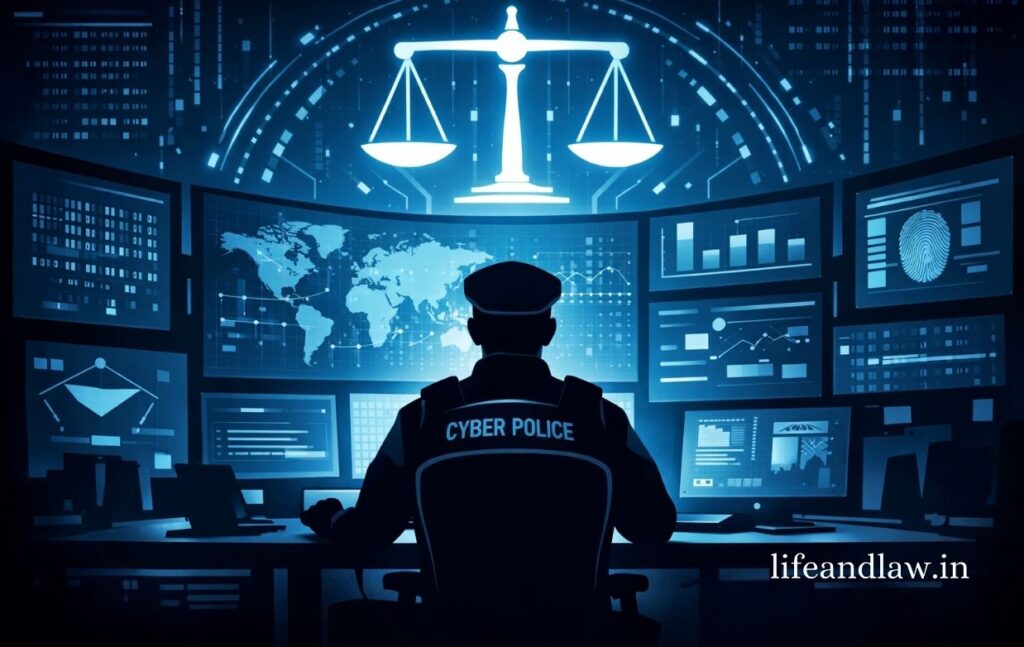
The aim of this article is to examine the fundamental legal safeguards aimed to combat cybercrime and online threats, as well as to provide practical advice for staying secure in the digital world. This article attempts to empower readers by providing awareness of their legal rights as well as safe internet practices.

The Growing Threats in the Digital Space

The internet provides numerous opportunities, but it also poses some risks:

  1. ID Theft: Cybercriminals use sophisticated strategies to acquire personal information such as bank account numbers and login credentials, resulting in financial losses and fraud.
  2. Cyberbullying/Harassment: With the rise of social media, cyberbullying has become a big worry, causing emotional distress and occasionally leading in legal action.
  3. Phishing scams: Fraudulent emails and websites lure users into disclosing sensitive information such as passwords and credit card details.
  4. Data breaches: Hackers attack businesses to steal personal information that can be misused or sold.
  5. Online fraud and scams: Scams abound on the internet, including fraudulent employment offers, investment schemes, and counterfeit e-commerce sites, which cause financial and reputational damage.

Legal Protections and Laws for Online Safety

To counteract the increasing hazards of cybercrime and online threats, numerous countries have adopted legal frameworks to protect internet users:

  1. The Information Technology Act, 2000 (IT Act) of India

India’s IT Act governs internet activities such as cybercrime and electronic commerce. It legalises electronic records and digital signatures while also prohibiting hacking, identity theft, cyberstalking, and the exploitation of private data. Notable portions include:

Section 66: Addresses computer-related crimes such as hacking and data leaks.

Section 66C: Focuses on identity theft, specifically the misuse of passwords and personal information.

Section 66E: Makes it illegal to collect or share private photographs and recordings without consent.

  1. The Personal Data Protection Bill (PDPB) for 2019

Although still being reviewed, the PDPB intends to protect personal data in India. Once implemented, it will govern data collection, storage, and processing, protecting privacy and imposing consequences for noncompliance.

  1. General Data Protection Regulation (GDPR), European Union

The GDPR controls the management of personal data in the EU. It gives individuals the ability to access, amend, or delete their data, demands express consent for data collecting, and ensures that organisations notify users of data breaches.

  1. The Cybersecurity Act of 2018 (Singapore)

The Cybersecurity Act requires the protection of vital infrastructure and allows Singapore’s Cyber Security Agency to manage incident response and resilience initiatives. Its primary focus is infrastructure security and regulatory control, whereas the Computer Misuse Act (1993) governs criminal punishment.

  1. The Communications Decency Act (CDA), United States

The CDA provides legal protection to internet service providers against responsibility for third-party content. It also includes regulations to prevent online harassment, cyberstalking, and child exploitation.

Practical Steps to Protect Yourself Online

While legislative safeguards are important, individuals should also take proactive actions to preserve their personal information and online presence.

  1. Use Strong, Unique Passwords: Create complex and unique passwords for each account, and consider using a password manager to secure them.
  2. Enable Two-Factor Authentication (2FA): 2FA increases security by requiring a second form of verification, lowering the chance of unauthorised access.
  3. Be cautious with personal information: Limit the personal information you disclose online, particularly sensitive information such as your address, bank information, or birthdate.
  4. Educate Yourself About Phishing and Scams: Be aware of unsolicited emails and messages asking for personal information. Always double-check the validity of emails and websites before releasing information.
  5. Keep your devices updated: Regularly update your devices and software to ensure they have the most recent security fixes, preventing thieves from exploiting vulnerabilities.
  6. Monitor Your Online Accounts: To detect breaches early, regularly check your financial accounts, social media profiles, and emails for strange activity.
  7. Know Your Legal Rights: Familiarise yourself with your rights in the event of online abuse, identity theft, or fraud, and understand how to report these events to appropriate authorities.

Conclusion

As we mark Safer Internet Day on February 10, 2026, it is critical to prioritise internet safety and understand the legal safeguards available. Laws such as the IT Act, GDPR, and data protection regulations enable people to protect their personal information and online presence.

Author Adv. Abdul Mulla emphasises the importance of legal awareness in preserving digital rights on websites such as www.lifeandlaw.in and www.asmlegalservices.in. His ideas assist people manage the complexity of internet safety and take proactive steps to protect their digital life.

RECENT POSTS

CATEGORIES

Leave a Reply

Your email address will not be published. Required fields are marked *

Life And Law Blogs

Life & law provides valuable insights by simplifying complex legal concepts and connecting them to real-life experiences …read more

Why I write

At Life & law, my mission is simple. to make the law accessible and empower people with knowledge to confidently face life’s challenges …read more

Copyright BlazeThemes. 2025