Loading ...

Life & Law

RECENT NEWS

World Day of Social Justice : The Role of Law in Achieving Global Equality

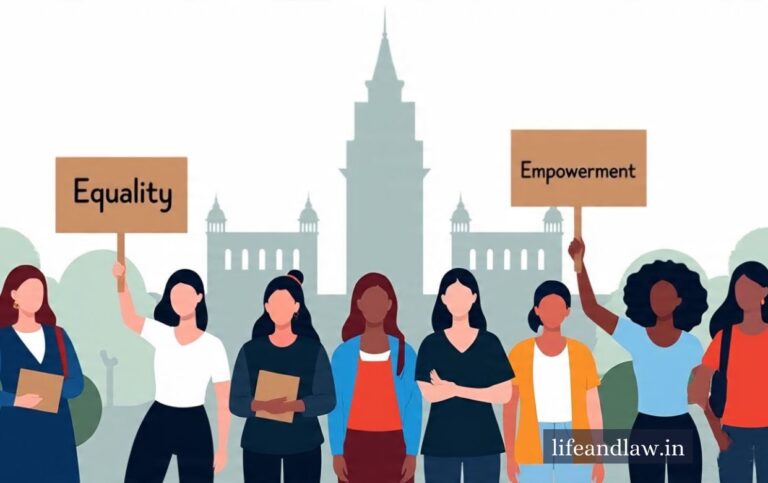
Every year on February 20th, the world celebrates World Day of Social Justice, which aims to promote equality and fairness in society. Income inequality, gender disparities, labour rights, and access to key services are among concerns addressed by social justice movements. The rule of law is central to this endeavour, as it is a potent weapon for creating a more just world by safeguarding vulnerable groups and strengthening community equality.

The aim of this article is to investigate the role of legislation in achieving international social justice. It will demonstrate how legal frameworks may combat prejudice, defend human rights, and promote equitable treatment for all individuals, thereby generating constructive social change.

The Importance of Social Justice

Social justice is the equitable and just allocation of resources, opportunities, and advantages within society. It acknowledges that people of different backgrounds—whether defined by race, gender, nationality, or socioeconomic status—frequently confront structural disadvantages. These inequities manifest in a variety of domains, including healthcare, education, housing, and job, restricting prospects for personal and community growth.

The World Day of Social Justice acts as a reminder to address these challenges at both the national and international levels. On this day, people, organisations, and governments all across the world renew their commitment to ending poverty, fostering social inclusion, and securing equal rights for all people, regardless of background or status.

The Role of Law in Promoting Equality

The law is critical to promoting justice because it prevents discrimination, protects human rights, and creates chances for all people to prosper. Legal systems, when properly applied, can make a substantial contribution to social fairness. Here are some significant ways the law promotes equality.

  1. Legal Frameworks for Protection

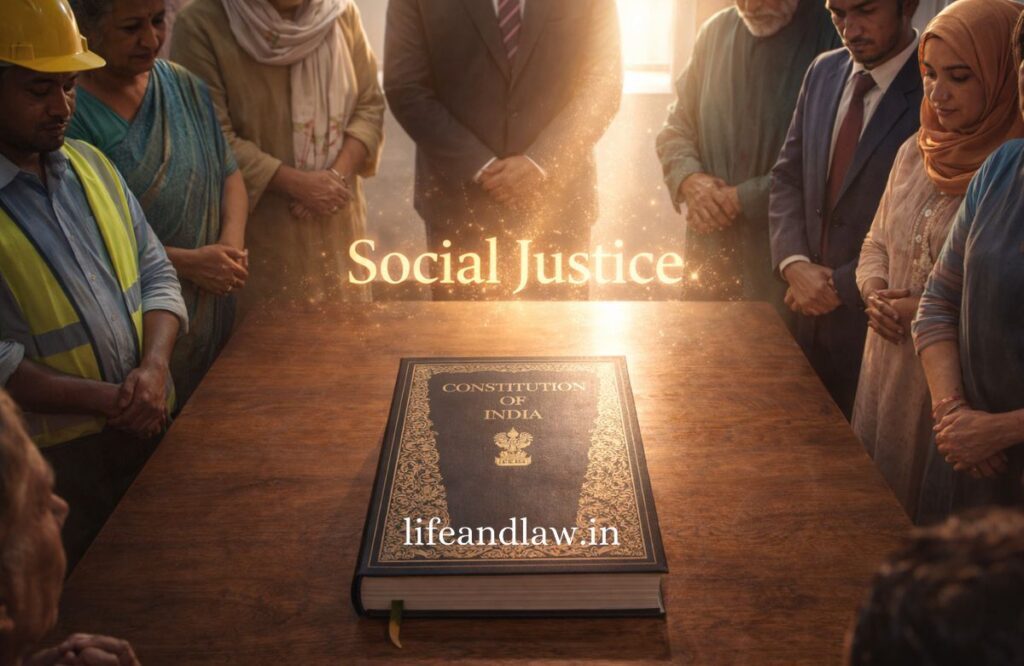
Strong legal structures are necessary to protect persons from exploitation and prejudice. Laws that protect fundamental human rights, such as freedom from discrimination based on race, gender, age, or disability, are critical to ensuring social justice. International treaties, such as the Universal Declaration of Human Rights (UDHR), specify these rights on a worldwide level. At the national level, laws such as the Civil Rights Act of 1964 in the United States, the Constitution in India and the Equality Act 2010 in the United Kingdom provide legal protection against discrimination in a variety of fields, leading to a more equitable society.

  1. Promoting Access to Justice

For justice to be effective, it must be available to all people, particularly marginalised populations. Legal aid programs, public defenders, and pro bono services help low-income people express their rights and seek justice. Furthermore, effective and open legal systems are critical for ensuring that laws are administered fairly. A corrupt-free judicial system with unbiased judges enhances public trust and social justice by guaranteeing that everyone is treated fairly.

  1. Legislation for Economic and Social Justice

Policymakers impact social and economic equality through minimum wage, labour rights, and social security benefits. Laws that promote decent education and healthcare also help to break the cycle of poverty and inequality. Global initiatives, such as the United Nations’ Sustainable Development Goals (SDGs), promote international cooperation to address challenges including poverty, education, and healthcare, demonstrating how legal frameworks drive progress toward global equality.

  1. Criminal Justice and Social Equity

Disparities in the criminal justice system, such as mass incarceration and racial profiling, threaten equality. Reforms that address these challenges, such as abolishing mandatory minimum sentences, improving prison conditions, and fostering restorative justice, contribute to a more equitable system. Restorative justice prioritises rehabilitation over punishment, striving for reintegration and healing, hence creating more societal equity and justice.

To summarise, the law is an important tool in the battle for social justice since it provides safeguards, ensures access to justice, addresses economic imbalances, and reforms the criminal justice system.
Global Challenges to Achieving Social Justice

While some regions have achieved tremendous progress, the worldwide goal of social justice still faces numerous hurdles. Economic exploitation, political corruption, and established social hierarchies all contribute to the persistence of inequality. The fight against prejudice, whether based on race, gender, or sexual orientation, is an uphill battle in many parts of the world. Furthermore, climate change and global health crises such as the COVID-19 pandemic disproportionately affect vulnerable groups, aggravating existing disparities.

International collaboration and consistent implementation of laws are critical to tackling these difficulties. Worldwide frameworks like the International Covenant on Economic, Social, and Cultural Rights and the Convention on the Elimination of All Forms of Racial Discrimination strive to address inequities on a worldwide scale. However, the genuine impact of these laws is contingent on governments’ desire to implement them, as well as civil society’s commitment to holding authorities accountable.

Conclusion

The World Day of Social Justice emphasises the importance of legislation in establishing a better, more equitable society. Legal frameworks that defend human rights, enable access to justice, and eliminate economic disparities are critical to make equality a right for everyone, not a privilege.

Adv. Abdul Mulla emphasises the role of law in promoting social justice, calling for a world in which everyone has the opportunity to succeed. For those seeking legal advice, his platforms  www.lifeandlaw.in and www.asmlegalservices.in  are invaluable resources in their pursuit of justice.

RECENT POSTS

CATEGORIES

Leave a Reply

Your email address will not be published. Required fields are marked *

Life And Law Blogs

Life & law provides valuable insights by simplifying complex legal concepts and connecting them to real-life experiences …read more

Why I write

At Life & law, my mission is simple. to make the law accessible and empower people with knowledge to confidently face life’s challenges …read more

Copyright BlazeThemes. 2025